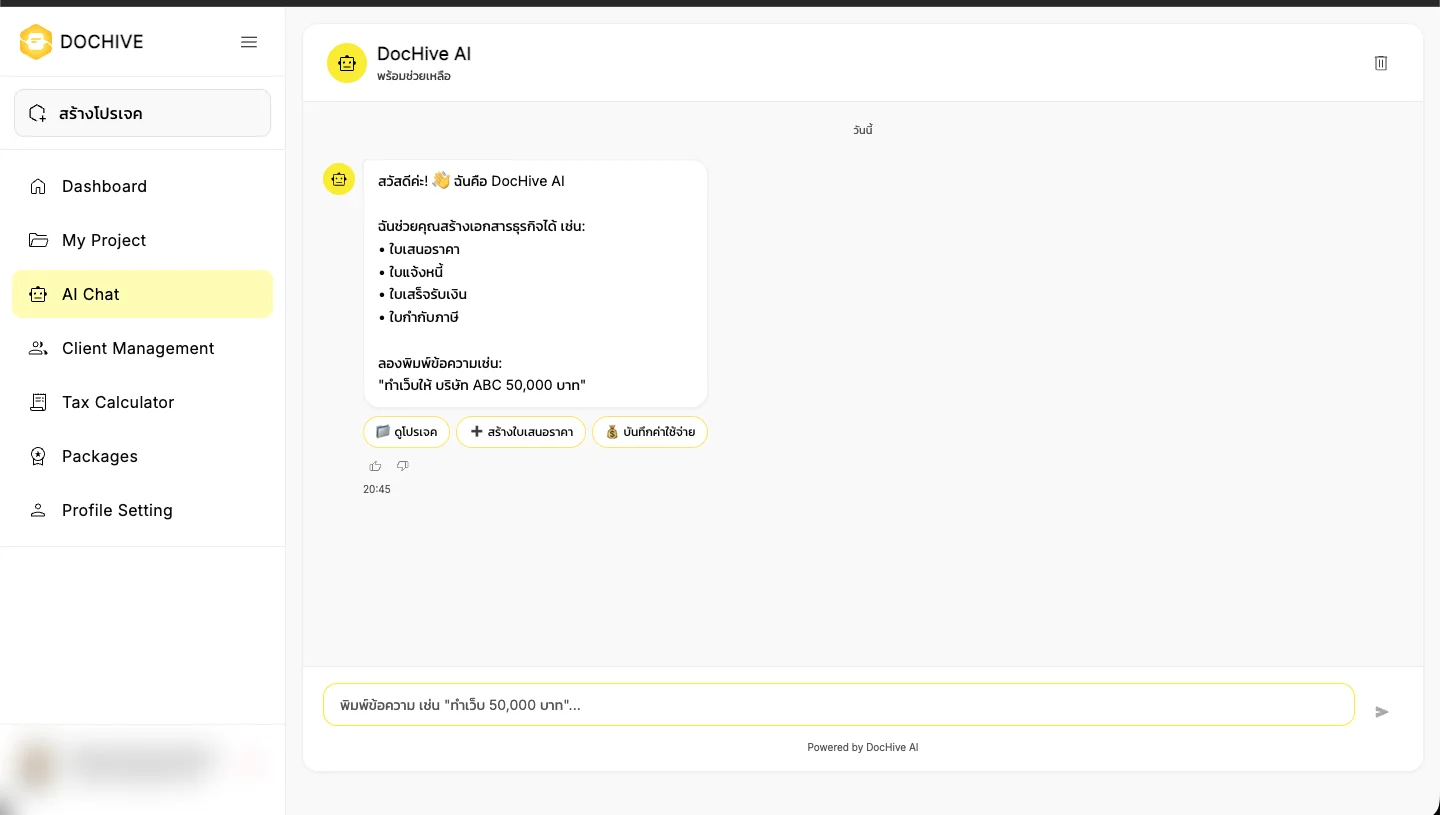
Goster runs three very different businesses in one venue: an apparel shop, a gaming arcade, and an esports space. Three revenue models — goods sold by barcode, station time billed by the hour, and tournaments — usually means three separate tools that never agree with each other.
What we built
One system, one data model, one admin console:
- Retail — product catalog with per-size and per-color variants, generated barcodes, goods receiving, and a full stock-movement ledger with before-and-after snapshots on every change.
- Arcade POS — station time billing for driving rigs and consoles, prepaid and postpaid sessions, per-hour pricing with controller surcharges, and a member credit wallet with packages and bonus mechanics.
- Esports — tournament brackets with seeding and match progression, plus arcade high-score leaderboards.
- Storefront — a customer-facing product site served from the same backend.
The honest architectural decision
The venue already used Loyverse as its retail till, and it worked. So instead of replacing it, we wrapped it: the ERP ingests Loyverse sales through webhooks, keeps stock consistent automatically, and self-heals missed sales with a periodic resync. The client kept the till their staff already knew and gained the inventory truth they never had.
In production
Live at the venue with sustained iterative development — over twenty data models and a steady migration history as the business finds what it needs next.